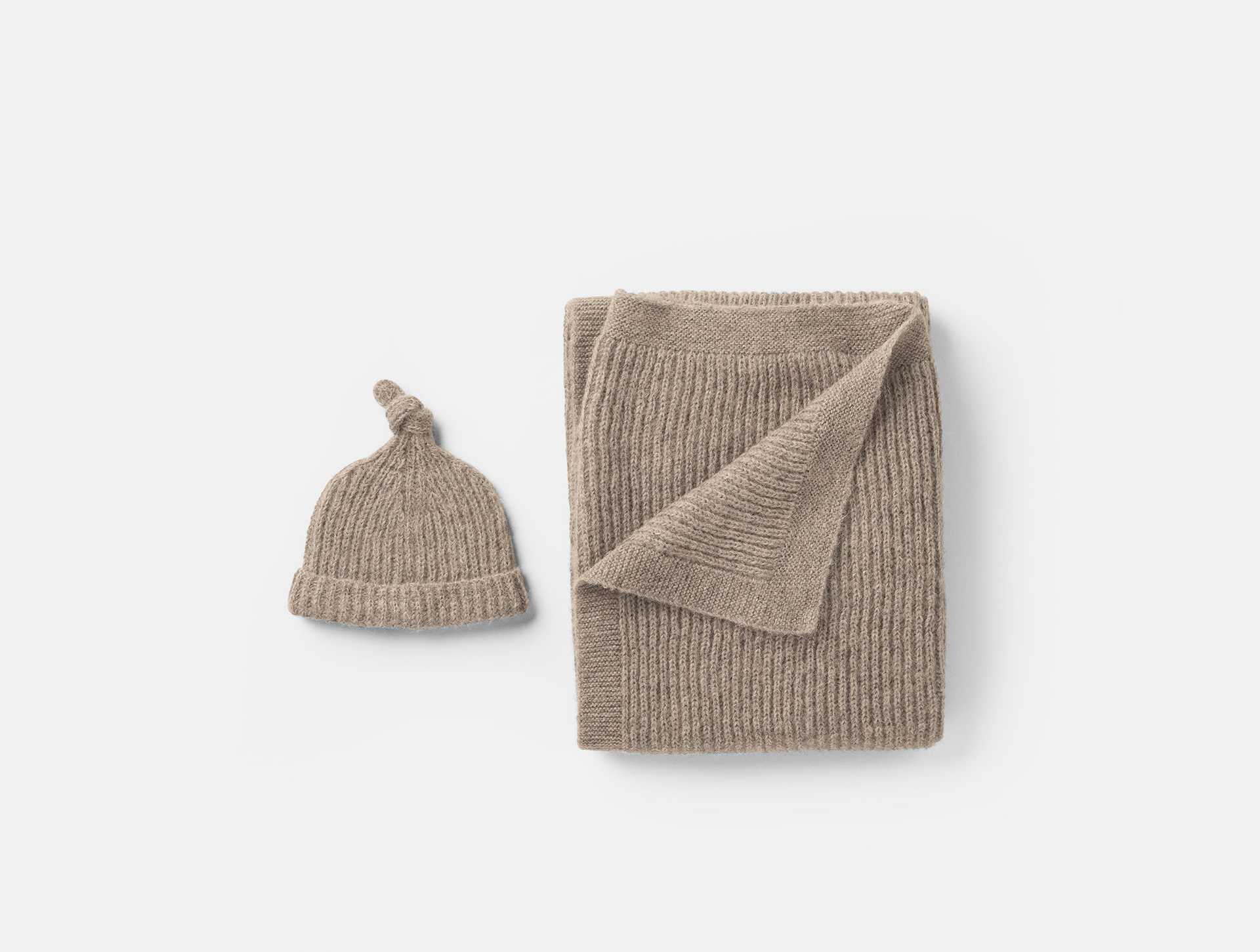
Blankets provide essential warmth and comfort across diverse settings, from bedrooms to nurseries. Understanding fabric types, weave patterns, and fiber origins helps consumers select materials that balance softness, durability, and moisture management. In this category, attention to fiber composition, handfeel, and thermal properties informs practical choices for varied climates and sleep preferences.
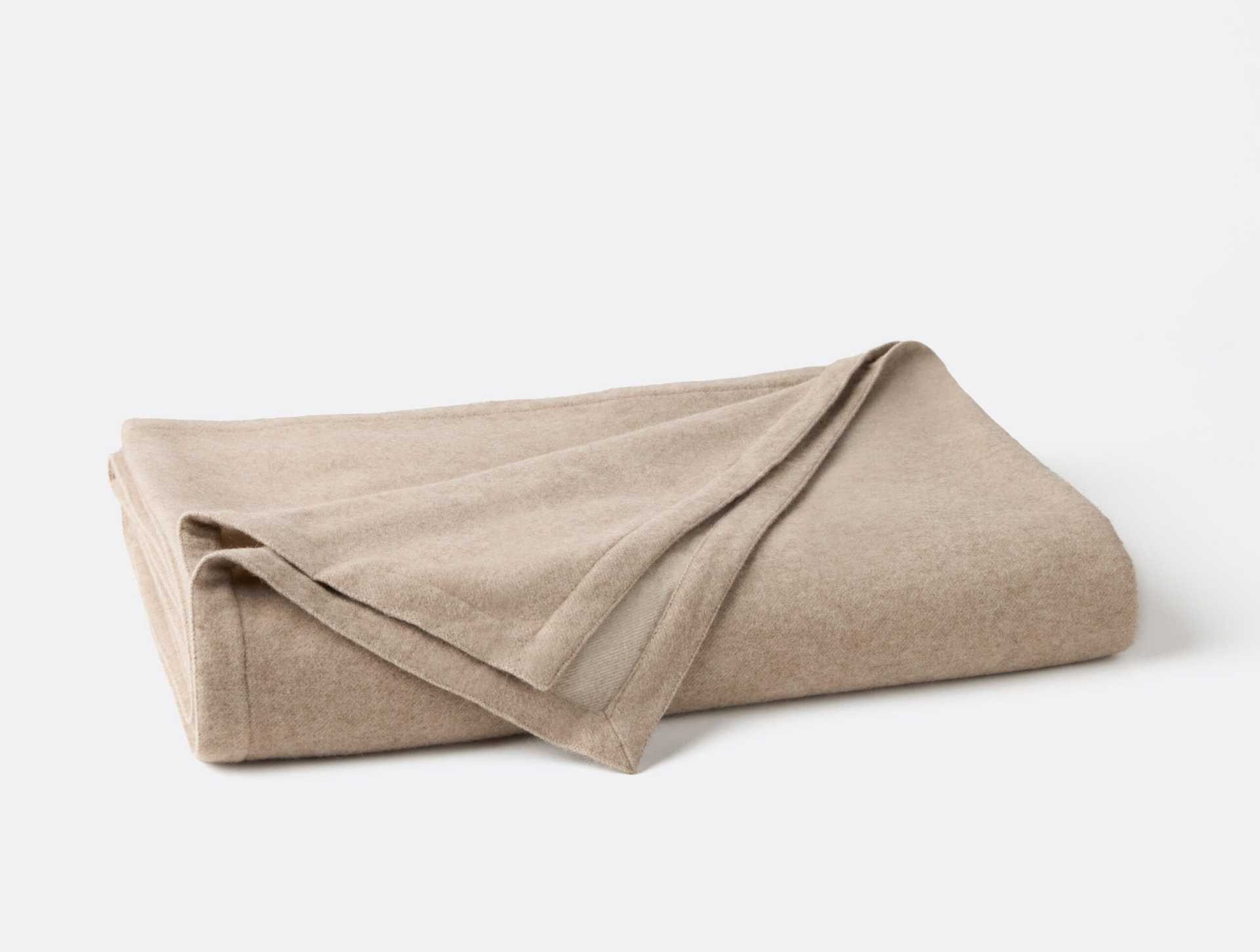
Cashmere blankets stand out for their exceptional softness, lightweight warmth, and insulating capacity. Typically sourced from high-quality cashmere fibers, these blankets offer a breathable, luxurious touch while maintaining warmth without bulk. Knowledge of fiber length, grade, and garment-grade processing supports informed comparisons among premium options for daily use and special occasions.
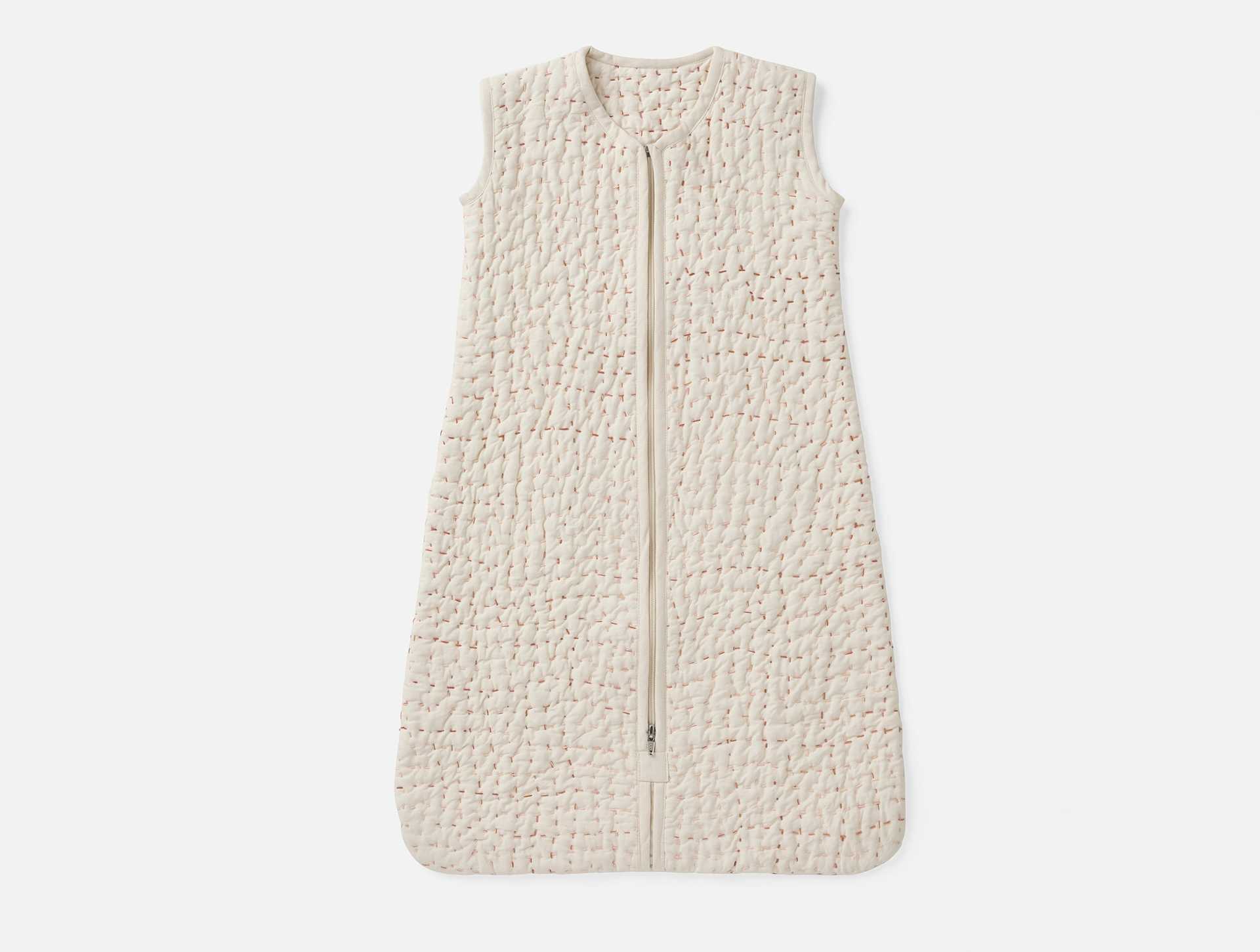
The Pebbled Handstitched Organic Snuggle Sack illustrates how textile design blends comfort with functional versatility. This item emphasizes organic materials, tactile texture, and secure construction that facilitates ease of use for infants and toddlers. Such pieces highlight considerations like fabric weave, seam durability, and safe, gentle materials suitable for nursery environments.
The Santa Lucia Cashmere Blanket exemplifies classic warmth with refined, understated aesthetics. Its cashmere blend often provides superior softness, thermal efficiency, and a lightweight feel ideal for layering. When evaluating similar blankets, factors such as fiber blend ratios, loom type, and post-processing softness contribute to long-term comfort and value.
Key features to weigh include warmth-to-weight ratio, breathability, care requirements, and ethical sourcing practices. For bedding and nursery contexts, choosing blankets with hypoallergenic finishes or organic certifications can improve indoor air quality and comfort. Understanding these attributes helps align selections with personal sleep rituals and room ergonomics.
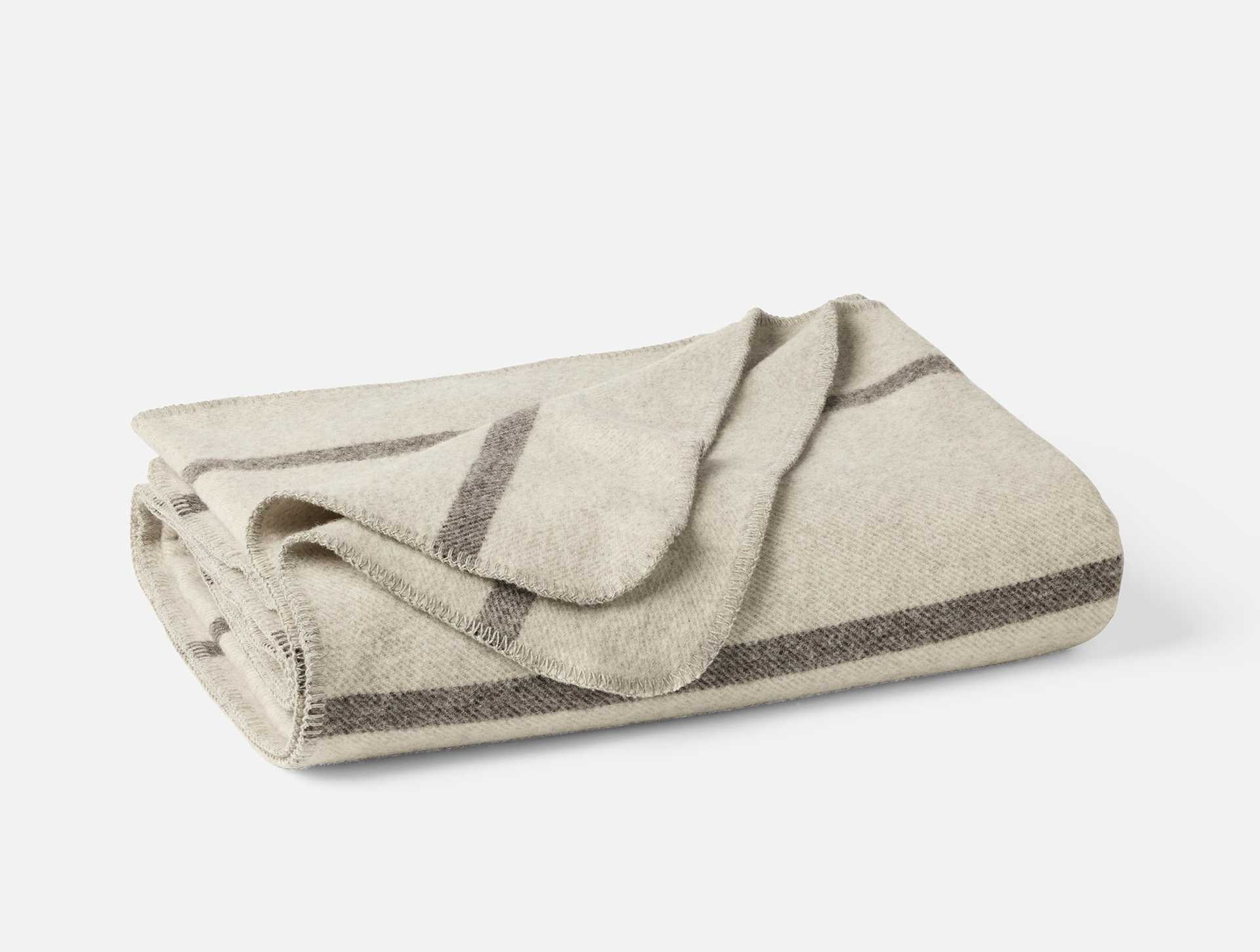 Bedding