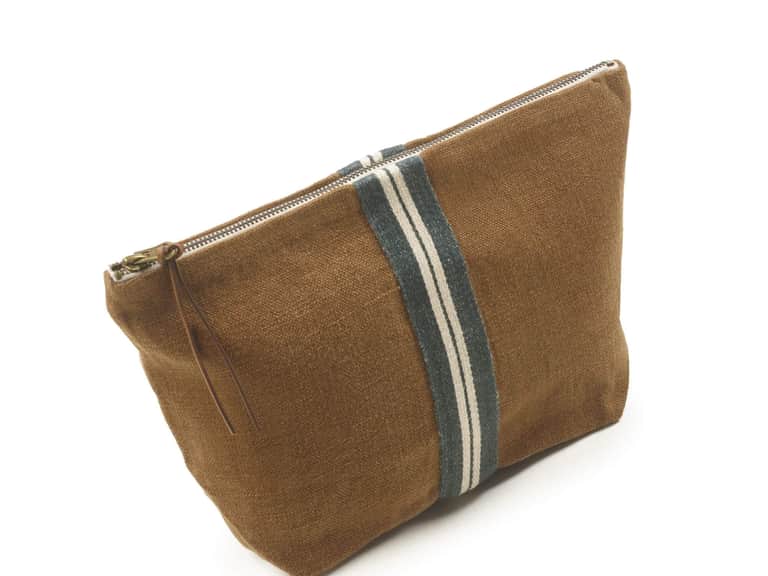
Kashmir Textile Traditions: Bag-Making Techniques and the Craft Networks Behind Cashmere Creations
An editorial exploration of Kashmir’s storied textile heritage, tracing the bag-making disciplines that emerged from the region, the craft networks that sustain them today, and the whispered histories that weave through design, dye, and diaspora.
A Landscape of Threads: Kashmir’s Textile DNA
Kashmir, a land of high passes and low-lit looms, has long lived at the intersection of climate, culture, and craft. The region’s textile identity is not defined by a single technique but by a chorus of practices that ripple through bag design, embroidery, and surface ornamentation. Pashmina’s lineage—though best known for shawls—also informs bag silhouettes, where the textile’s soft drape translates into refined volume and a fluid silhouette. The textures you sense in Kashmir-made bags often begin with fiber choices: cashmere, pashmina, wool, and silk blends that yield a tactile memory—hand-spun warmth, quiet sheen, and a weight that feels both ancient and immediate.
We witness the layering of dyes and resist techniques that give Kashmir bags their nuanced palettes: indigo blues whispered with vegetal browns, saffron golds that glow at dusk, and subtle marigold hues that echo regional embroidery traditions. In an era where fast fashion dominates, Kashmir’s bag craft persists as a discipline that rewards time—time spent selecting fibers, time spent weaving, time spent stitching and finishing with patient hands.
Key Bag Forms and Regional Techniques
Across the valley and its neighboring districts, bag forms vary by function and tradition. Some forms emphasize utility—cargo pouches, fiber-wrapped totes, and coin purses—while others celebrate ceremonial and luxury cues, where embroidery acts as a narrative, narrating family lineage or community affiliation.
- Weaving foundations: plain weave, twill, and subtle jacquard motifs that allow bags to hold shape while showcasing the weave’s geometry.
- Embroidered flourishes: chain stitch, satin stitch, and mirror work echoing broader textile traditions, often carried onto bag panels, pockets, and straps.
- Dye practices: plant-based and natural mordants that color fibers with soft, enduring tones, aging gracefully with use.
- Construction craft: hand-stitched seams, careful edge finishes, and traditional closures that favor durability and daily ritual rather than mere aesthetics.
Representative Objects
From the archive to today, Kashmir bag craft bears witness in several iconic silhouettes:
- Traditional leather-lined pouches with wool-woven exteriors
- Embroidered carry-alls featuring kasuti-inspired motifs
- Two-tone, handsomely weighted totes with subtle fringe accents
Exhibition note
Museum catalogs, master-apprentice records, and textile libraries offer a framework to understand technique provenance, regional dialects of stitch, and the social networks that sustain craft across generations.
Networks of Craft: Artisans, Institutions, and Exchange
Kashmir’s bag-making ecosystems are not merely about individual craftsmen; they are networks of collaboration—dyers, weavers, embroiderers, traders, and curators who sustain craft communities. In contemporary practice, collaborations with museums, textile libraries, and regional cooperatives help archive techniques, share terminologies, and connect new generations with historical methods.
The most compelling craft ecosystems blend traditional knowledge with modern sustainability and storytelling. Artisans in remote villages may collaborate with urban designers to reinterpret motifs in ways that honor heritage while appealing to global audiences. In such ecosystems, knowledge transfer is not only about technique; it is also about language, documentation, and the ethics of craft economies.
Key Figures Across Eras
Three individuals illustrate the arc of Kashmir’s textile legacy—from antique artisans to contemporary curators, and a scholar who bridges archival research with living practice.
Khwaja Ali Quli
Time period: 18th-19th century (historical artisan)
A master weaver known for translating courtly textile aesthetics into bag forms, his practice blended fine cashmere twills with drawn-thread detailing. His work reflects the courtly patronage that helped shape luxury bagmaking in the region.
Amina Begum
Time period: late 19th to early 20th century (embroidery innovator)
Amina Begum's workshops fused chain stitches and mirror motifs with everyday bag forms, elevating utility into ceremonial craft. Her patterns echoed regional dress fragments and enriched bag panels with narrative embroidery.
Dr. Leela Kapoor
Time period: contemporary (scholar-curator)
A textile historian who has organized fieldwork in Kashmir and curated exhibitions that foreground bag-making technique, dye chemistry, and archival documentation. Her research links museum catalogs, local artisan cooperatives, and modern design discourse.
Contemporary Case Studies
Three case studies illuminate how traditional bag forms endure, while evolving through cross-cultural exchange, museum collaborations, and new materials. These narratives reveal how technique, geography, and social networks co-create lasting craft economies.
- Case Study: A Kashmiri tote reimagined with plant-dyed cotton panels, balancing weight, wearability, and heritage motifs.
- Case Study: An archival project pairing loom-weaving records with contemporary embroidery studios to reinterpret pashmina influences in bag panels.
- Case Study: A museum-lab partnership documenting local artisans’ tools, dye vats, and stitching sequences to preserve knowledge for students and upcoming designers.
Terminology and Archival Practice
A robust understanding of Kashmir bag-making rests on a shared vocabulary. Glosseries within textile curricula—terms for loom types, stitch techniques, and dyeing processes—make discussions precise and open channels for cross-cultural comparison. When curators and scholars speak a common language, audiences gain access to a deeper layer of meaning: the number of knots in a fringe, the brush of a dye on wool, the subtle relief of an embroidery motif.
This article’s approach blends narrative with archival discipline. It invites readers to consider how technique, geography, and social networks converge to produce bags that are both utilitarian and heirloom-worthy. The aim is to illuminate craft networks while preserving the poetic memory of Kashmir’s textile landscape.
Editorial Notes
Style cue: Vogue editorial voice
Thoughtful, evocative, and informed writing that respects craft, history, and the communities that sustain it. The tone merges scholarly clarity with fashion-language sensibility to make complex topics accessible and compelling.
Conclusion: A Living Heritage
Kashmir’s bag-making traditions are not relics of the past but living practice, continually reinterpreted by artisans who honor lineage while responding to contemporary life. The networks—families, cooperatives, museums, scholars—form a vibrant ecosystem that ensures these techniques endure, adapt, and inspire new generations of designers and appreciators alike. This piece invites readers to listen for the whisper of loom, dye, and stitch in every bag—the quiet chorus of a heritage that remains, beautifully, in motion.